Marine Research & Action Library
A centralized repository connecting scientists and advocates with the highest-utility resources. Access global datasets, standardized monitoring protocols, and funding opportunities to accelerate your impact.
Learn & Train: Education & Careers
Courses & MOOCs
Field Training & Certifications
Scholarships & Fellowships
- Pew Marine Fellows Program
- Blue Ventures Community Conservation Fellowships & Careers
- REEF Marine Conservation Internships (USA & Caribbean)
- NOAA Ernest F. Hollings Undergraduate Scholarship
- UN Nippon Foundation Fellowship in Ocean Affairs
- The Next Swell Scholarship (For marine science students)
- Dr. Nancy Foster Scholarship Program (NOAA)
- NOAA Sea Grant Fellowships
- Marine Technology Society (MTS) Scholarships
Restore & Heal: Techniques & Protocols
Key Restoration Organizations
- Reefscapers (Maldives - Frame propagation)
- Rescue a Reef (Univ. of Miami Citizen Science)
- Coral Restoration Foundation (CRF)
- Mote Marine Lab Restoration
- SECORE International (Larval Propagation)
- Reef Restoration & Adaptation Program (RRAP - Australia)
- Reef Renewal Foundation International
- Coral Reef Alliance
- Global Coral Reef Alliance (Biorock)
- MARs Assisted Reef Restoration
Restoration Manuals & Guidelines
- NOAA Restoration Monitoring Guide
- Reef Resilience Network (Manager's Handbook)
- GCRMN Monitoring Guidelines
- AGRRA Monitoring Methods
- WiseOceans Restoration Techniques
- Coral Restoration Consortium – Guide to Coral Reef Restoration
- ICRI Coral Reef Restoration Toolkit (PDF)
- Coral Reef Alliance Restoration Toolkit
Disease & Health Assessment
Monitor & Map: Data, Satellites & Atlases
Global Maps & Visualization
- Allen Coral Atlas (Global Reef Mapping)
- Allen Atlas Dataset (Google Earth Engine)
- GEBCO (General Bathymetric Chart of the Oceans)
- Global Fishing Watch (Vessel Tracking)
- MPAtlas (Marine Protected Areas)
- ProtectedSeas Navigator (Regulatory Boundaries)
- SeaSketch (Marine Spatial Planning)
- CoralNet (AI Analysis for Coral Images)
- OBIS-SEAMAP (Biodiversity Mapping)
Policy-relevant Indices
Real-Time Monitoring & Alerts
Tech & Innovation: Sensors, Drones & AI
Sensors & Buoys
Drones & AUVs
Govern & Protect: Policy & Law
Global Initiatives
International Frameworks
- High Seas Treaty (BBNJ)
- CITES (Marine Trade Regulations)
- Kunming-Montreal Global Biodiversity Framework (30x30)
- UNCLOS (United Nations Convention on the Law of the Sea)
- DOSI (Deep Ocean Stewardship Initiative)
- International Coral Reef Initiative (ICRI)
- FAO Code of Conduct for Responsible Fisheries
- UNEP Marine & Coastal Biodiversity
National Laws (USA)
Fund & Scale: Grants & Finance
Major Grants
Communicate & Inspire: Storytelling & Media
Storytelling Toolkits & Training
Documentary Funds & Fellowships
Tools: Free Ocean Monitoring & Planning Resources
Citizen-Science Platforms
Basic: Tides & Sea Surface Temperature
Intermediate: Weather, Alerts & Basic Mapping
Advanced: Biodiversity, Modeling & Spatial Tools
If we’re missing something, or if you find a broken link, please message info@reef-scuba.org. Thanks!
“People still do not understand that a live fish is more valuable than a dead one, and that destructive fishing techniques are taking a wrecking ball to biodiversity.”
— Sylvia Earle
REEF Scuba Fisheries Research
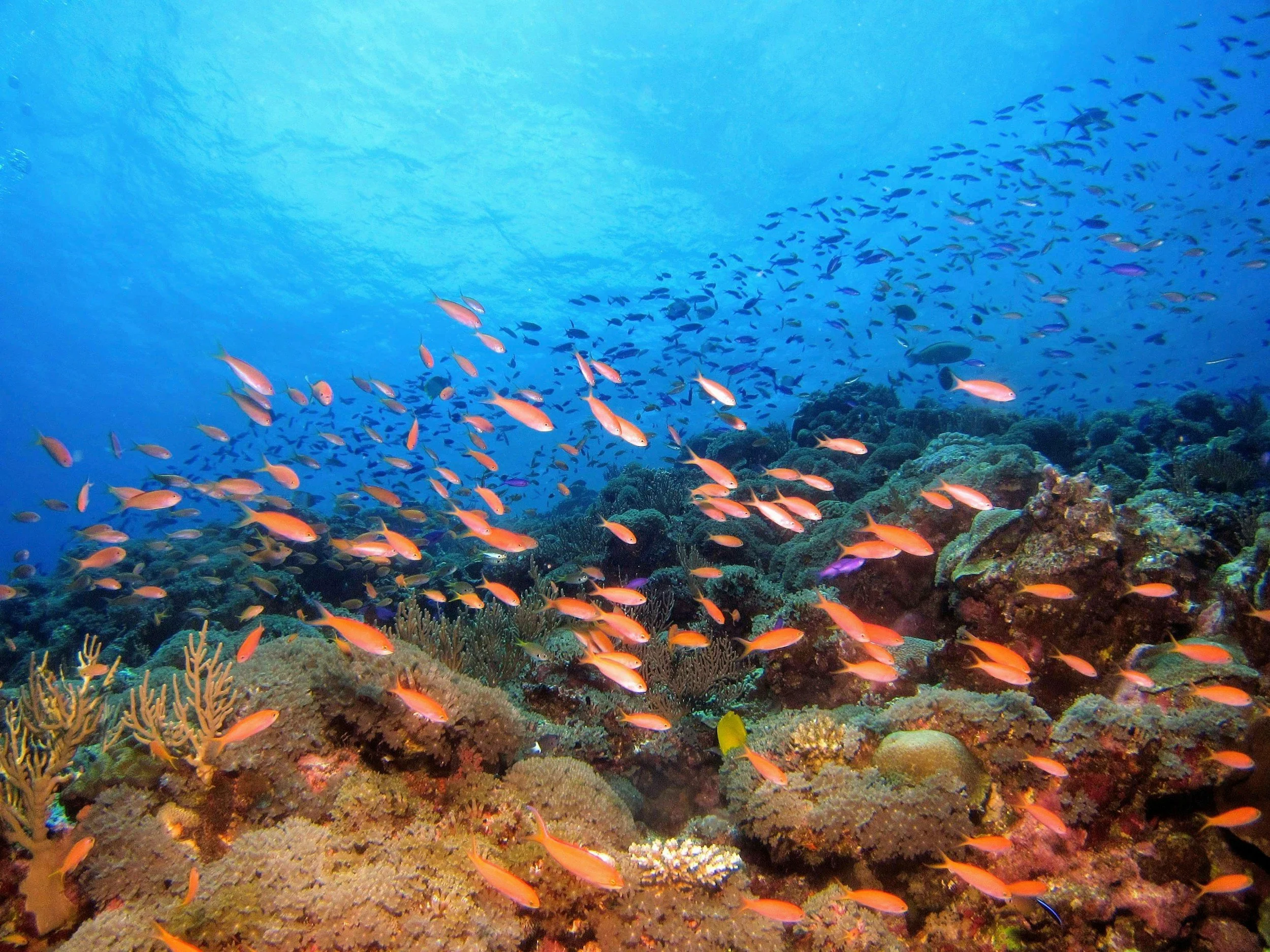
Overfishing is a major threat, not only to the open oceans, but perhaps especially to coral reefs. At REEF Scuba, we support global policies to promote sustainable fishing.
The best way to protect our oceans is to avoid eating fish altogether. However, we understand that not everyone can do this. For those who rely on seafood or are not ready to stop eating fish, we have gathered important information about sustainable seafood options and fishing methods. This knowledge empowers you to make choices that help preserve marine life and ocean ecosystems.
REEF Scuba created the Sustainable Fishing Practices White Paper in order to summarize our views on nearly every wild-caught commercial fishing method. When used in combination with sustainable recommendations from the organizations listed at the bottom of this page, and with REEF Scuba’s country specific analysis, we believe consumers can make better seafood choices.
Below you will find our first country-specific analysis, where we overlay our criteria with that of the top sustainable seafood certifying organizations. The goal of this effort is to supply a gold standard of sustainable seafood recommendations and we hope to expand this to other countries soon.
The following organizations offer certifications for sustainable seafood. They don’t always agree, so we recommend following the strictest standard.
Ocean Wise
Ocean Wise is a global environmental charity who work with seafood supply businesses to help them make more ocean-friendly purchasing decisions and improve the sustainability of the seafood they offer. The Ocean Wise symbol, found on menus and display cases, designates a seafood option as more sustainable. Ocean Wise’s ‘Seafood Search’ tool also provides a quick and straightforward way to assess the sustainability of different seafood options.
At REEF Scuba we believe that this tool is not always strict enough, and that’s why we take Ocean Wise’s recommendations one step further in our white paper, linked at the bottom of this page, so that you can make your own informed seafood choices.
Marine Stewardship Council
The Marine Stewardship Council (MSC) is an international non-profit organization which awards wild fisheries that demonstrate sustainable fishing practices with an eco-label that can be displayed on product packaging. The MSC is one of the most well-known seafood certification organizations, and many people trust their eco-label to guarantee the sustainability of the fish they buy. That said, many doubts have been cast about the credibility of the MSC. For further information, see Credibility of the MSC label | Ethical Consumer.
At REEF Scuba, we agree that MSC certified seafood is not the gold standard of sustainability, although we would still advise consumers to buy MSC-labelled fish over unlabeled options.
Seafood Watch
Seafood Watch, a program of the Monterey Bay Aquarium, provides a detailed guide of most commercial seafood options, containing information about the species, farming method(s) and extent to which they should be considered sustainable. This seafood guide is available as a mobile application in select countries, with a much smaller printable ‘pocket guide’ available for download in countries where the application is not yet available. Seafood Watch also works with businesses, governments and other partners around the world to increase the reliable supply of sustainably sourced fish. Check out their Consumer Guides to see if they have recommendations for your area.
Friends of the Sea
Friend of the Sea is a project of the World Sustainability Organization which provides recommendations and certification of sustainable initiatives within the fisheries, aquaculture, fishmeal and omega-3 fish oil sector. The Friend of the Sea eco-label can be found on the packaging of products which have met minimum sustainability criteria set by Friend of the Sea. Users can also search for individual approved companies on the Friend of the Sea website, available to view at: Friend of the Sea Approved Companies. For people looking to eat out, the Sustainable Restaurants mobile application created by Friend of the Sea provides a tool in which to search for approved restaurants serving sustainable seafood within the local area.
Worth Checking Out…
Seaspiracy is a fantastic film about the health of the ocean and what it means to consume sustainable seafood - is it even possible?
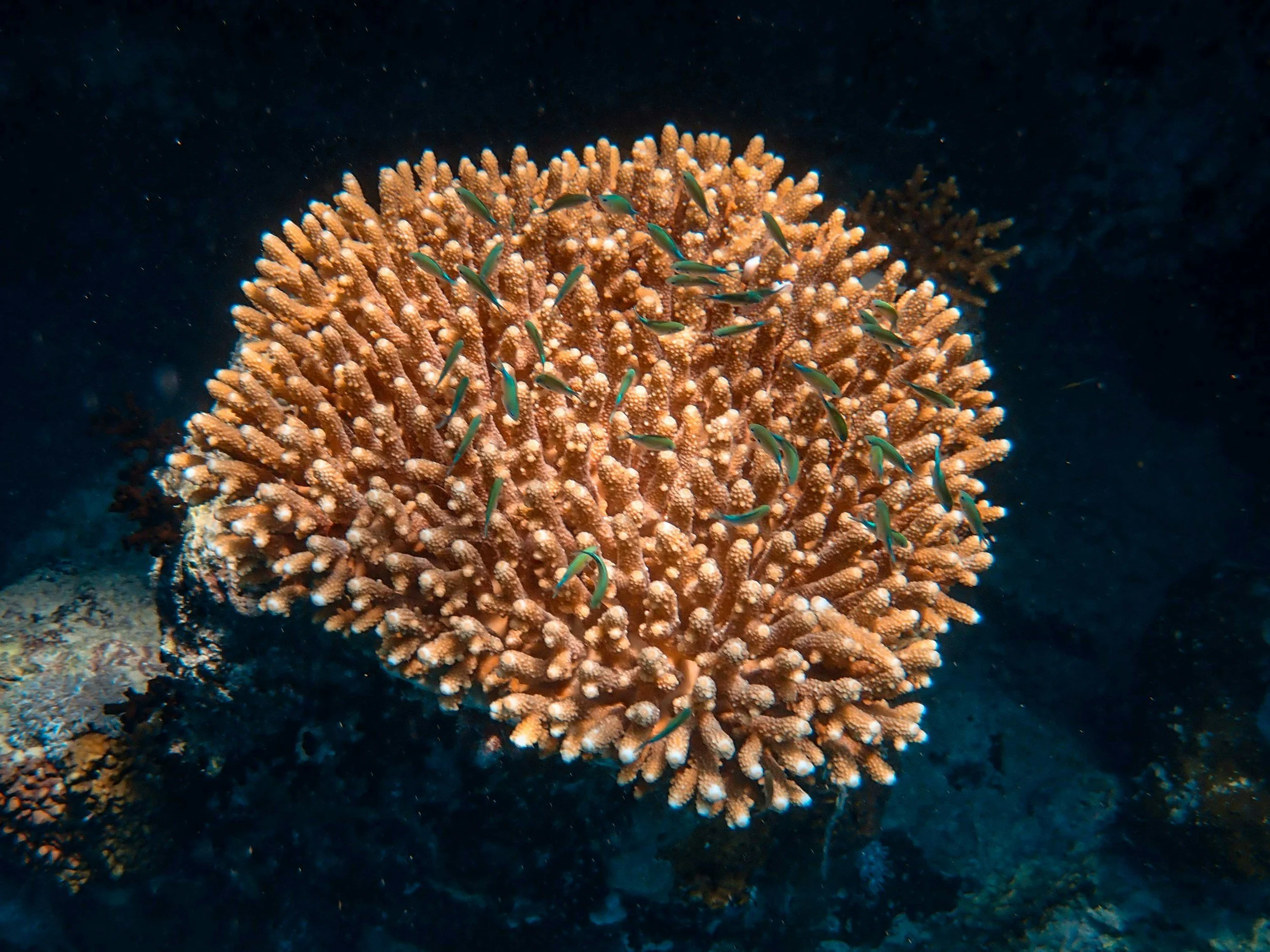
Coral Photo Credit: Renata Romeo / Ocean Image Bank