What the Sudden Disappearance of Oslob’s Whale Sharks Tells Us About an Unethical Industry
Written by Tamara Silverstone.
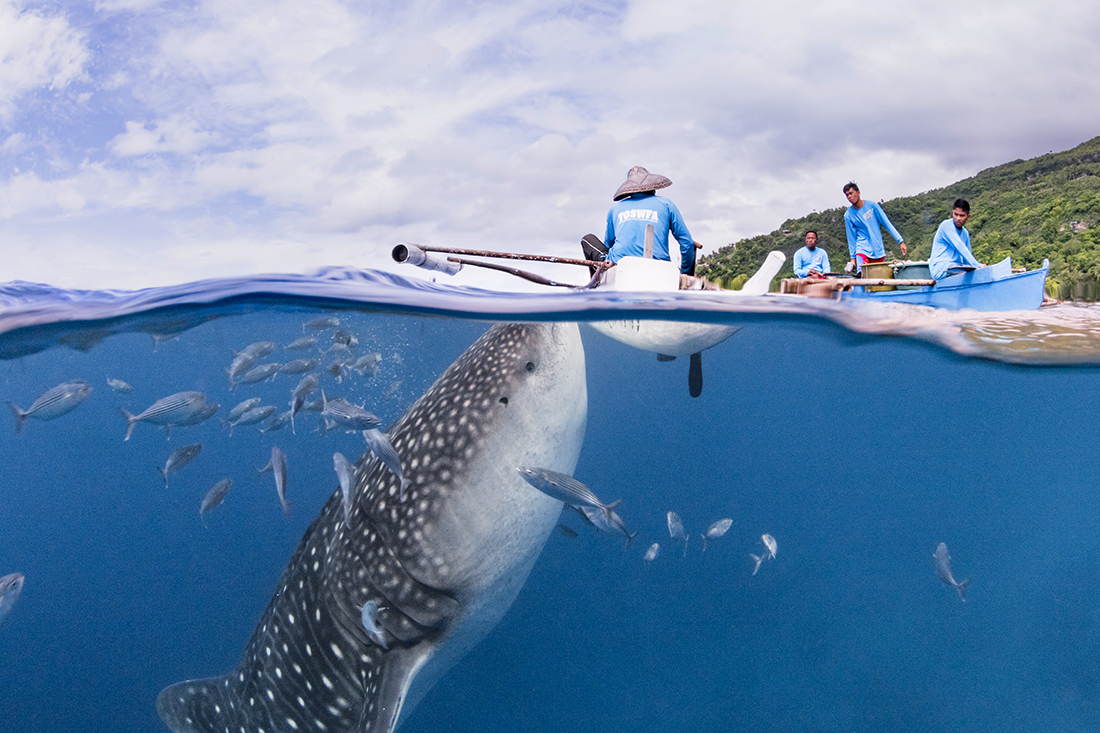
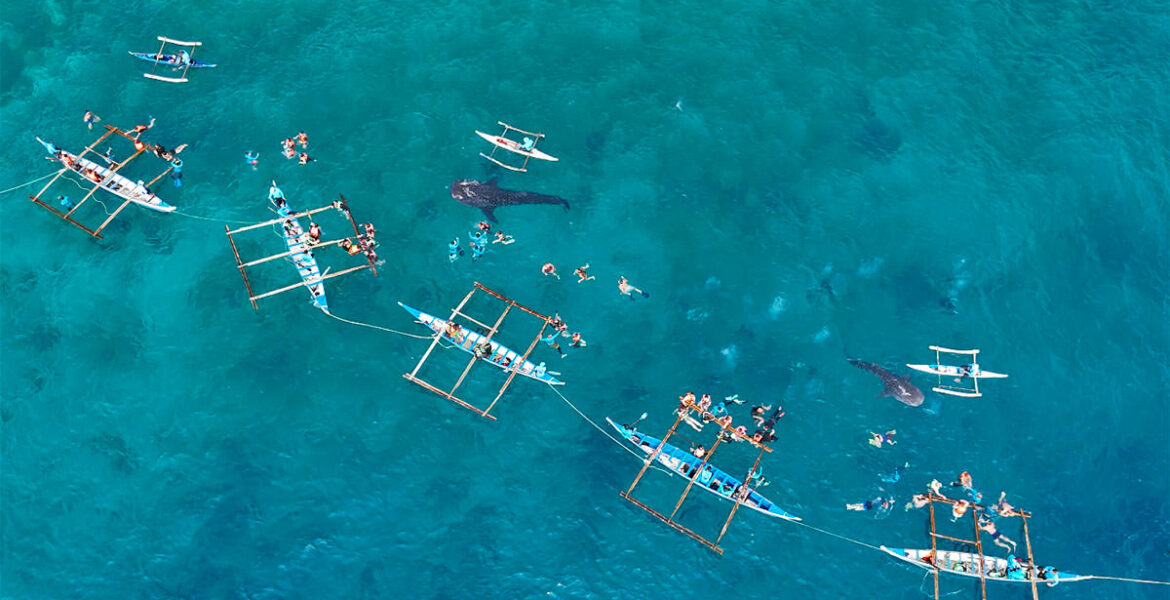
For years, the script in Tan-awan, Oslob, Philippines remained completely unchanged. Every single morning, a fleet of wooden outrigger boats would paddle out into the shallow water, fishermen would toss handfuls of tiny shrimp into the sea, and the ocean's largest fish would appear right on cue. The majestic, charismatic whale shark (Rhincodon typus, locally known as Butanding). It was a highly profitable, tightly managed marine amusement park.
But recently, the script broke.
During the third week of May 2026, hundreds of tourists who had arrived as early as 4:00 AM stood stranded on the shoreline. They had paid their ‘environmental’ fees, rented their snorkels, and boarded their boats, but the water remained completely empty. For four consecutive days, not a single whale shark surfaced. Social media quickly filled with videos of empty waters and confused travelers.
Where did they go, and why did they leave?
While a few whale sharks have slowly begun to trickle back, this brief, unprecedented disruption sent shockwaves through a town whose entire economy rests on a fragile, fraudulent agreement with wild animals.
More importantly, it served as a stark reminder of a deeper, uncomfortable truth: the practice of feeding and conditioning these gentle giants is inherently unethical, ecologically damaging, and fundamentally unsustainable.
The reality behind the whale shark circus
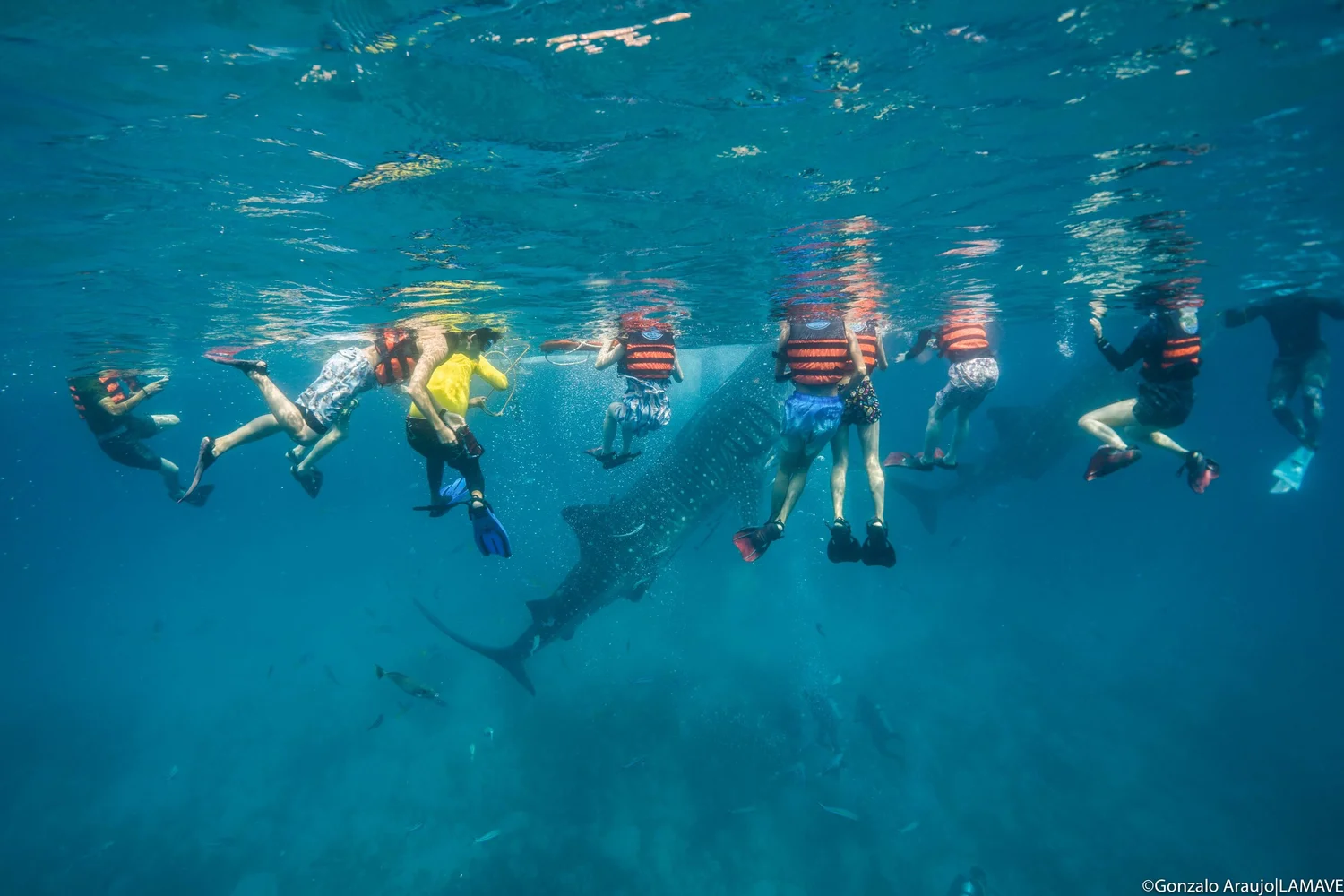
To understand why a four-day absence caused such widespread panic, one must look at how the Oslob tourism model operates. Data gathered by marine research organizations like the Large Marine Vertebrates Research Institute Philippines (LAMAVE) and independent conservationists reveals a troubling picture of behavioural modification and physical harm.
1. Rewriting Natural Behaviour and Causing Physical Trauma
Whale sharks are naturally migratory, pelagic animals built to traverse thousands of miles of open ocean. In Oslob, they are treated like domesticated livestock. By hand-feeding them tiny sergestid shrimp, locally known as uyap, humans have conditioned these sharks to associate boats and people with food.
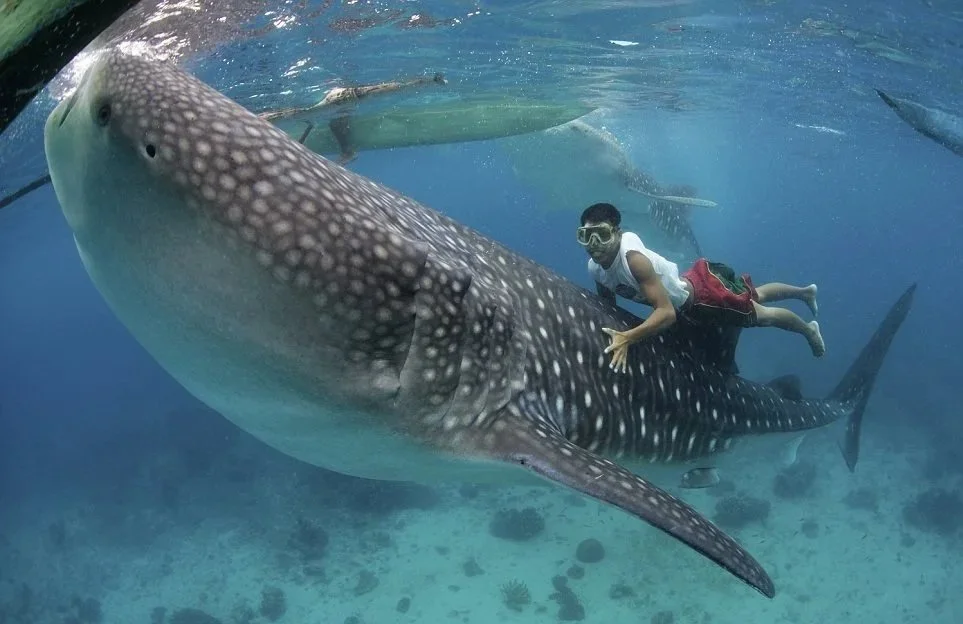
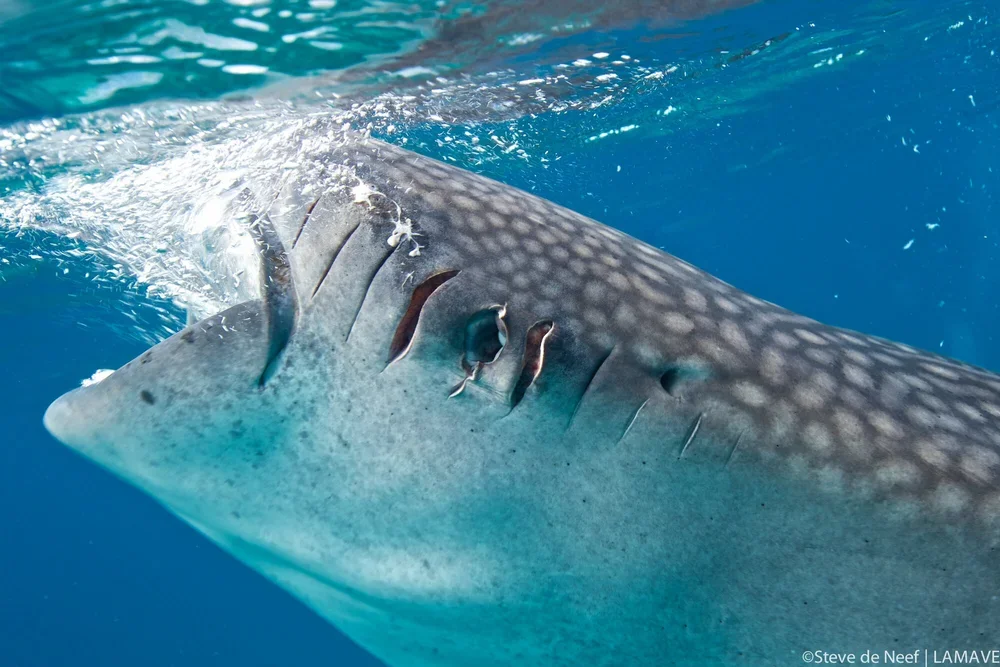
Instead of diving deep, migrating, or avoiding vessels, Oslob's whale sharks actively swim toward boat hulls. This behavioural change has devastating physical consequences. Many of the resident sharks bear severe white, spongy lesions around their mouths and the leading edges of their fins, the direct result of constant friction from rubbing against the rough wood of the feeding boats. Furthermore, because they no longer fear boats, they are highly vulnerable to propeller strikes when they migrate outside of protected waters. A famous resident named Fermin became a tragic symbol of this reality when he suffered deep, disfiguring propeller cuts to his face and eye.
2. Nutritional Deprivation via a Fast-Food Diet
In the wild, a whale shark's diet is diverse, consisting of over a dozen varieties of nutrient-rich wild plankton. The chum that they are fed loses significant nutritional value during storage and transit, and it typically contains only a fraction of what the whale sharks actually require. It is the biological equivalent of feeding a massive being nothing but takeout fries every day, forcing them to expend massive amounts of energy chasing boats for poor-quality food.
3. Shattered Migratory and Breeding Cycles
The natural whale shark season in this region should only last about 60 days. Because of the daily hand-outs, individuals are staying for unprecedented periods. A whale shark nicknamed Mr. Bean was recorded staying in Oslob for 392 consecutive days. When these animals fail to migrate, they fail to fulfill their biological purpose. By disrupting their migration, human intervention is directly interfering with the global breeding and reproductive cycles of an endangered species.
The Human Dilemma: Breaking the Economic Dependence
It is easy for international conservationists to demand an immediate shutdown of Oslob's tourism operations. However, a hard-hitting investigation must look at the human cost. Over the last fifteen years, the whale shark industry has completely transformed Oslob from a quiet, struggling coastal municipality into a multi-million-peso tourism powerhouse. Thousands of locals rely entirely on this trade, including boat captains, feeders, drivers, resort staff, and restaurant owners.
Shutting down the site overnight would cause immediate economic ruin for thousands of families. At the same time, there are many reports of all the revenue from this circus staying concentrated at the top, without significantly improving the lives of the fisherpeople and tourism workers themselves. The challenge is not just stopping the feeding; the challenge is engineering a compassionate, structured, and just economic transition.
How can Oslob pivot away from an unethical circus model without abandoning its people?
Step 1: Shifting to a Passive, Wild-Watching Model
The Philippines already possesses a highly successful, ethical alternative in Donsol, Sorsogon. In Donsol, feeding is strictly banned. Tourists head out into open water with trained spotters to look for whale sharks feeding naturally on seasonal plankton. Sightings are never guaranteed, which increases the value of a successful encounter and respects the wild nature of the animals. Oslob must phase out the feeding boats over a designated timeline and retrain its operators to spot wild sharks moving naturally through the Tañon Strait.
Step 2: Transitioning Operators into Certified Guardians
The significant revenue currently collected from tourism fees could be legally restructured. Instead of using the funds solely as municipal income, a major portion should fund a permanent Marine Protection and Ranger Program. The local fishermen who currently act as feeders can be retrained and paid a guaranteed salary as certified reef guardians, marine wildlife monitors, and sanctuary rangers. This preserves their livelihood while shifting their societal roles from exploiters to protectors.
Step 3: Diversifying the Regional Tourism Economy
Oslob is blessed with incredible natural beauty beyond its shoreline. The local government must aggressively market and develop alternative, sustainable tourism assets to decentralize economic dependence on the whale sharks. This includes capping the number of daily marine visitors while expanding upland eco-tourism, managing terrestrial sites like Tumalog Falls, establishing controlled historical tours of the town's heritage sites, and promoting low-impact trekking.
Nature Reclaims
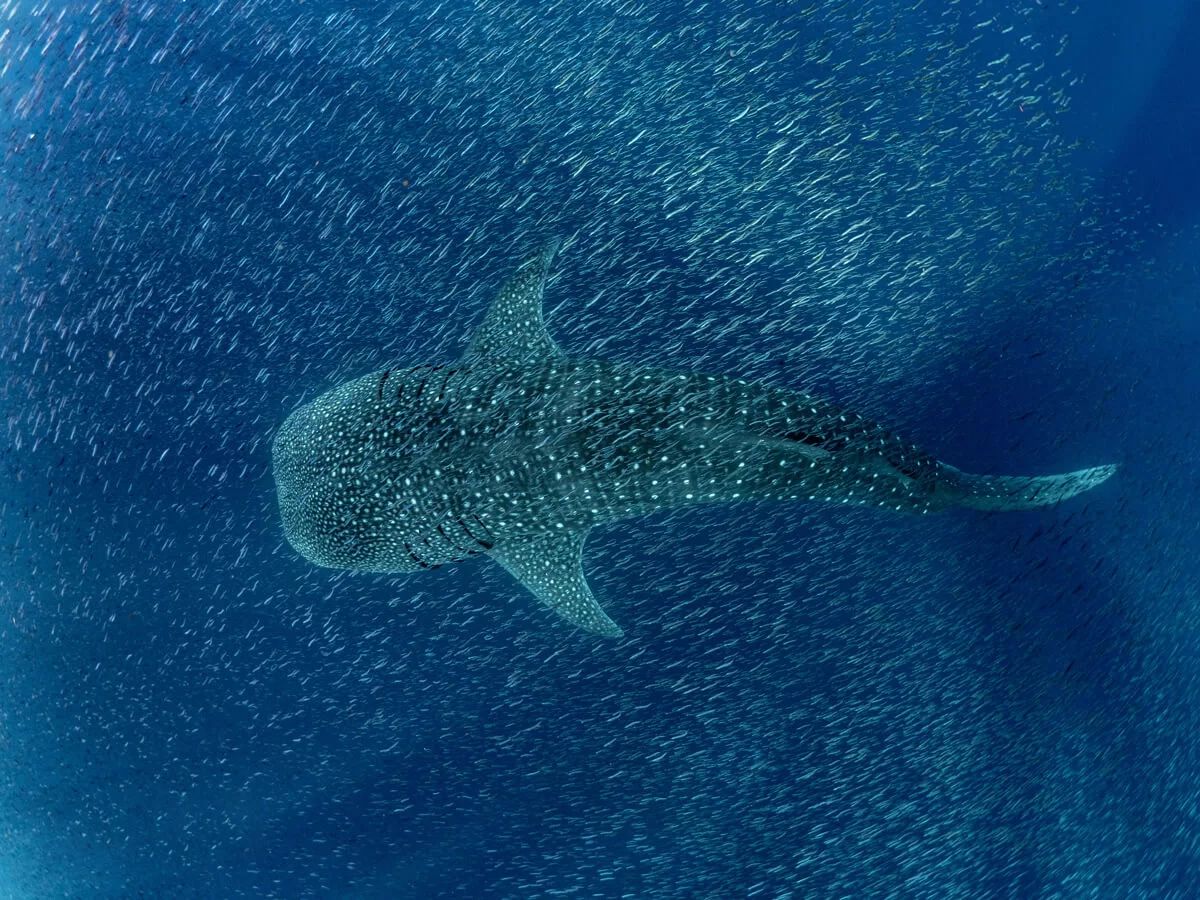
The sudden disappearance of the whale sharks in May 2026 proved that no matter how much artificial intervention humans introduce to control wildlife, nature will always find a way to reassert itself. It is possible that this month, the whale sharks chose a natural, rich bloom of wild plankton over a handful of frozen, hand-delivered shrimp.
Every ticket purchased for the Oslob whale shark interaction is a direct financial vote in favor of wildlife exploitation. While many travelers participate under the guise of loving marine life, the reality is that tourist demand drives this entire damaging cycle. The desire for a close-up photograph or a viral social media video has turned an endangered species into a prop, forcing these animals into a crowded, stressful environment where human contact and boundary violations are daily occurrences. By choosing to spend tourism dollars here instead of supporting verified, ethical wildlife encounters, travelers are actively signaling to local governments and operators that quick profits matter more than genuine conservation. True eco-tourism requires respecting the wild boundaries of marine life, and refusing to visit Oslob is the single most powerful tool everyday travelers have to force this industry to change.
The temporary absence of the whale sharks was a warning. If the town does not begin the difficult but necessary work of transitioning toward genuine, ethical eco-tourism, changing ocean patterns or shifting wildlife behaviors could eventually make that decision for them, leaving both the marine ecosystem and the local economy entirely stranded.