
10 Things You May Not Know About Sharks
Written by Nicole Castilla
Sharks are some of the most intelligent, powerful, and mysterious creatures in the animal kingdom. They are beautiful and very necessary to have in the world’s oceans to protect food chains and conserve biodiversity. Yet these majestic creatures are widely misunderstood. For centuries, sharks have been perceived as ferocious and frightening monsters of the deep, they are actually a vital part of the ocean ecosystem.
Let’s go on a deep dive into the fascinating world of sharks and you might just learn something about them that you never knew before!
1. Some female sharks can reproduce without a male
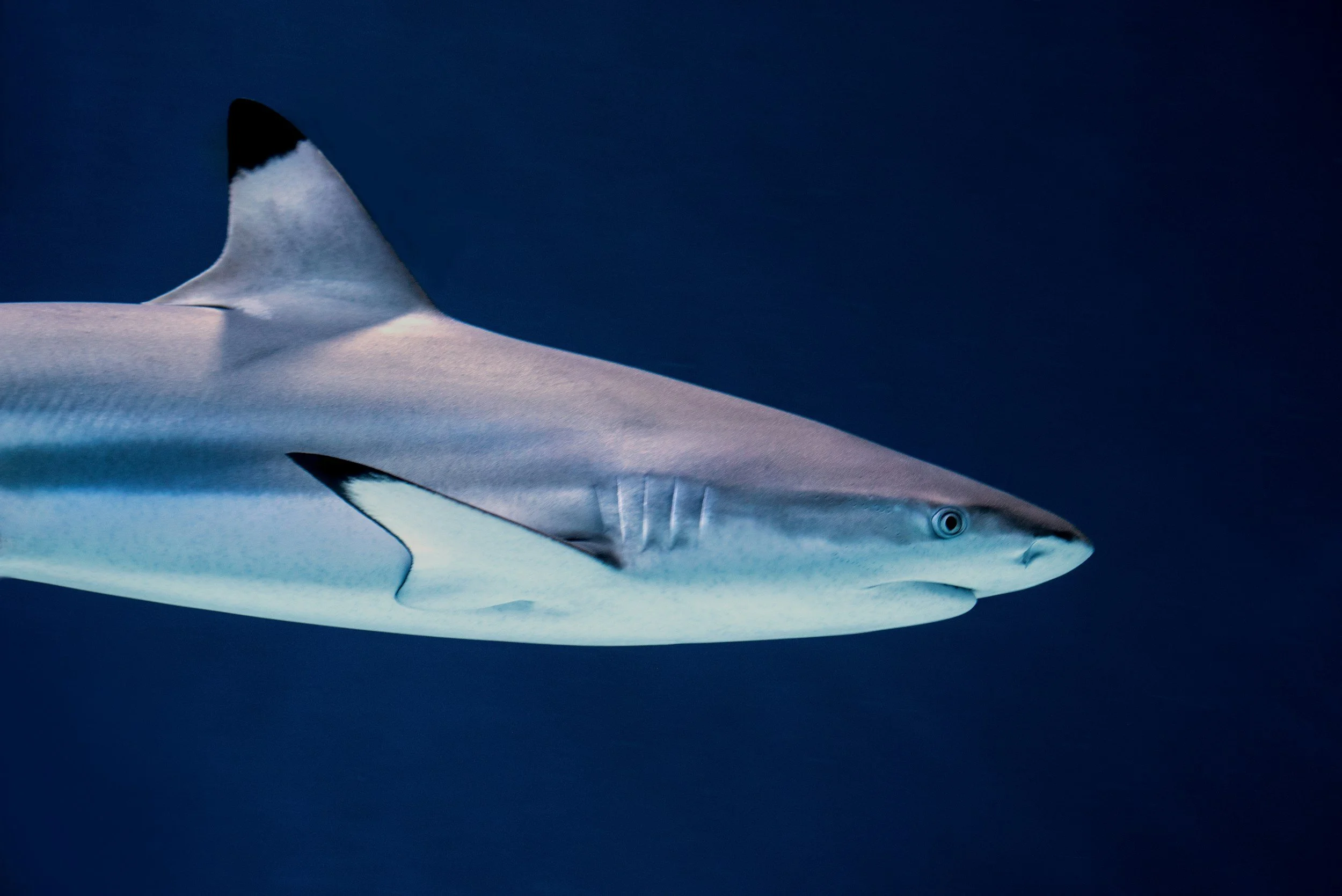
This may seem crazy, but during a phenomenon known as parthenogenesis, a female’s egg can develop into an embryo, without being fertilized by a male shark! This asexual reproduction method has been documented when female sharks lack being in the presence of potential male mates. Female sharks also have the ability to store sperm for up to several years, resulting in births years after they mated with a male.
2. Sharks continuously lose their teeth!
Ever wondered why so many shark teeth end up on the beach? Shark teeth are not designed the same way like human teeth are, and they easily fall out when they eat. Their teeth have a “conveyor belt” system that is constantly shedding teeth and replacing them with new ones.
3. Some sharks are capable of bioluminescence.
Some species of sharks can emit a bioluminescent glow, such as the lantern shark and kitefin shark, both of which are found in the deep sea. The kitefin sharks produce a blue bioluminescent glow that literally enables them to illuminate in the dark. Lantern sharks are also capable of bioluminescence, and like kitefin sharks, they have special organs called photophores, that produce light and allow them to glow. Some sharks use a camouflage technique called counterillumination, where marine animals emit light from their undersides (ventral photophores) to match the brightness of downwelling surface light, hiding their dark silhouettes from predators or prey looking up from below.
4. Some sharks can regurgitate their stomachs.
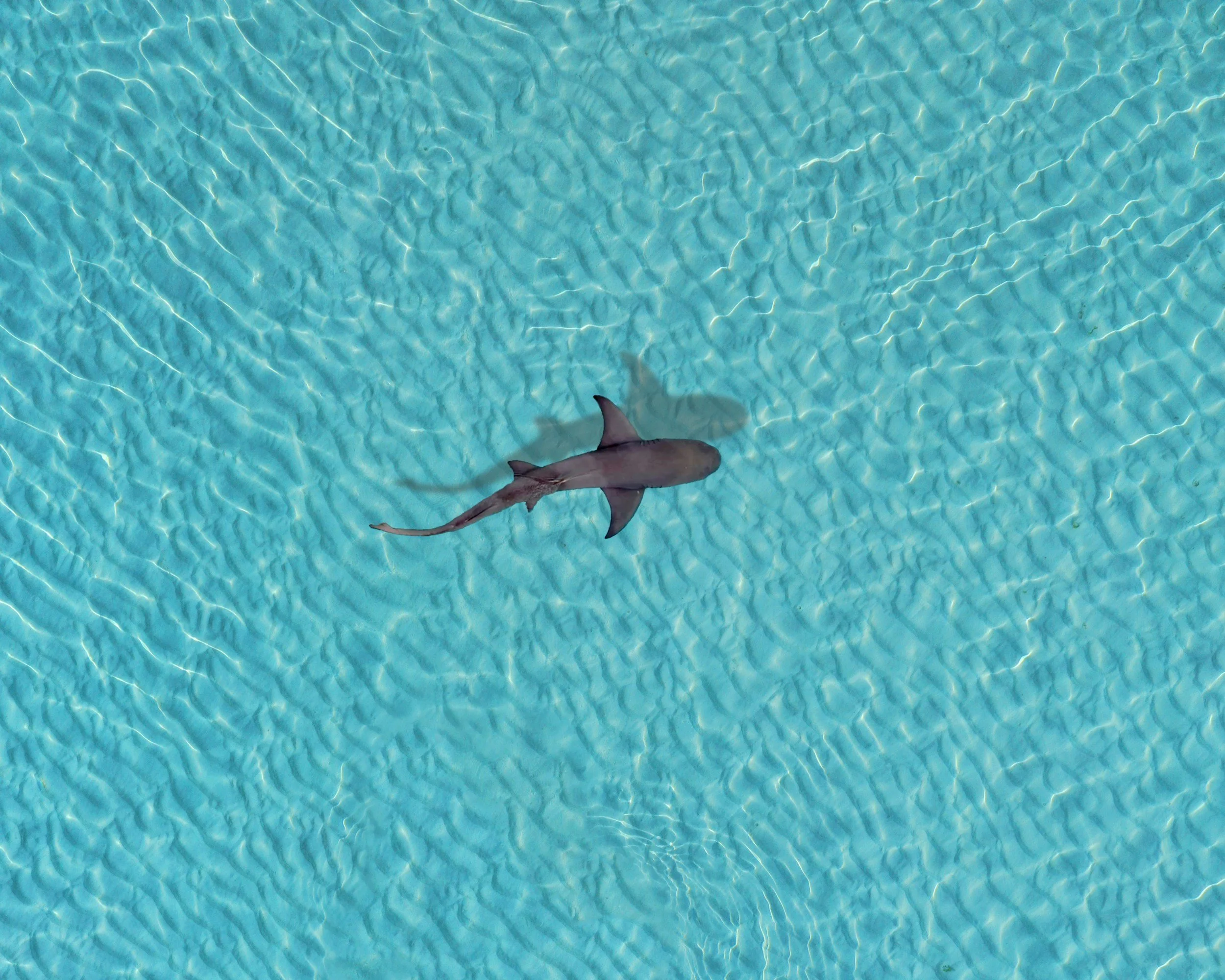
Known as gastric eversion, several species of sharks, including tiger sharks, have been known to regurgitate their stomachs while under periods of extreme stress or to expel indigestible content, such as sea turtle shells. Great white sharks and Caribbean reef sharks have also been known to do this.
5. Some sharks can live for several centuries!
Greenland sharks, usually found in the Arctic and Northern Atlantic waters, are known for their exceptional longevity. In 2016, a groundbreaking study using radiocarbon dating of proteins in the sharks’ eye lenses estimated the oldest and largest Greenland shark in the study to be about 392 years old, with a range of uncertainty extending up to approximately 512 years.
6. Omnivorous Sharks Do Exist! Consuming mainly seagrass and also crustaceans and fish, the bonnethead shark is a species of shark that is known to be omnivorous. Seagrass makes up over 50% of their diet. Whale sharks have also been documented to consume sargassum and in fact, they are the world’s largest omnivore!
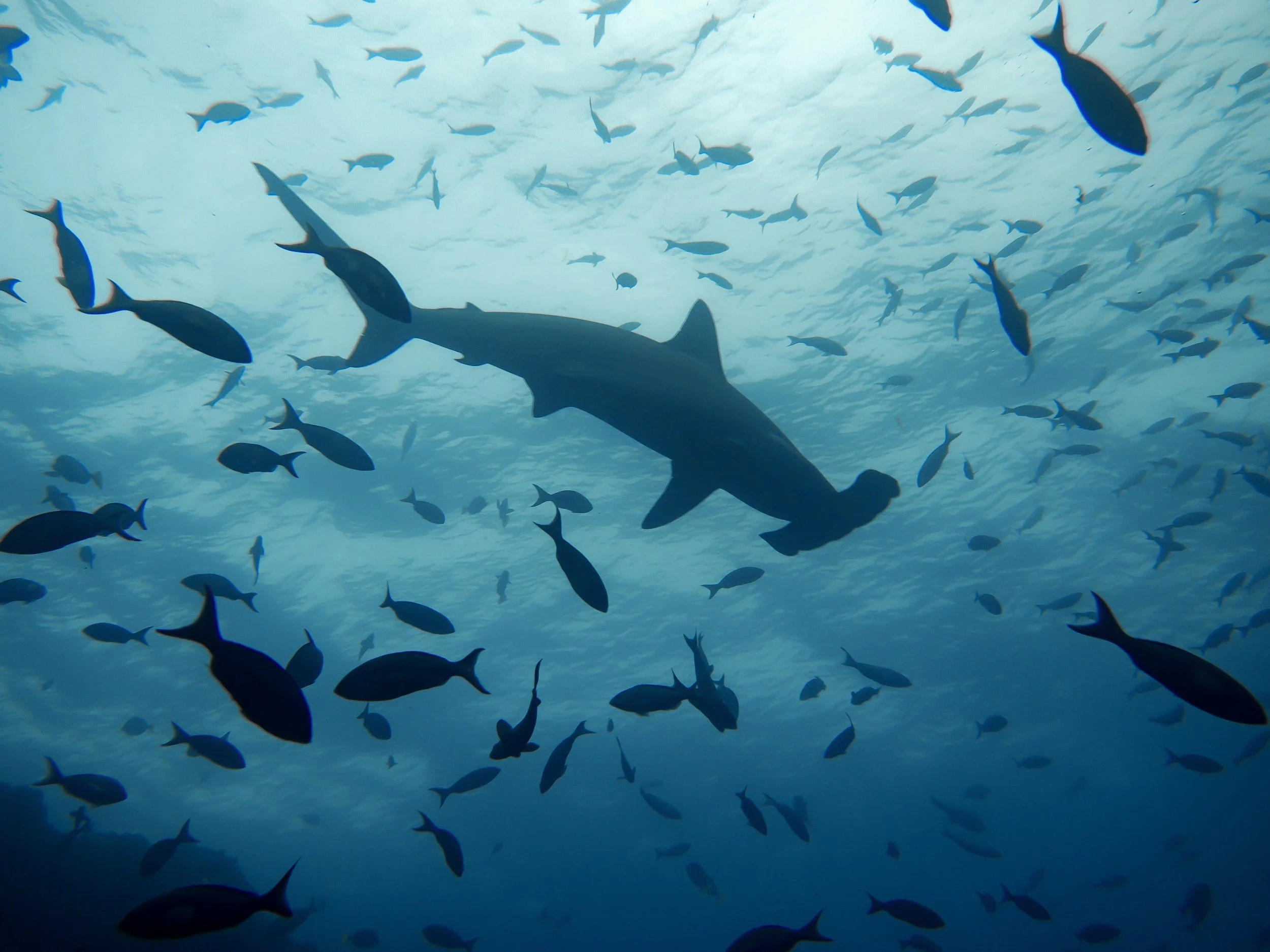
7. Hammerhead Sharks Have 360 degree vision! Hammerhead sharks have eyes on the edges of their cephalofoils, enabling them to have a 360 degree vertical field of vision! They can see above, ahead, below, and behind them without having to turn. However, they do have a small blind spot right in front of their nose, but their widely far-apart eyes are definitely an awesome adaptation!
8. Sharks can be hypnotized! Did you know flipping a shark onto its backside can temporarily hypnotize them? Known as tonic immobility, this phenomenon can temporarily place sharks into a trance-like state, making them temporarily still and less responsive. Killer whales have been observed flipping sharks during predation as they prey upon great white sharks’ livers. Biologists also do this oftentimes while conducting shark research or tagging sharks, as tonic immobility provides brief stillness for the shark as it is being tagged and worked upon. Tonic immobility usually lasts up to fifteen minutes and the sharks normally return to their normal swimming patterns immediately after being flipped back and released.
9. Some sharks can “walk”
Ten species of walking sharks have been documented, and Epaulette sharks have been known to glide their bodies while using their strong pelvic and pectoral fins to walk along the ocean floor, coral reefs, and even in tide pools! These sharks can also survive without oxygen for periods of around two hours and can walk on exposed land around tidal pools.
10. The Goblin Shark is one of the most unique sharks! These sharks, found in deep sea regions of the ocean, are known for their pale pink coloration and unicorn-like snout. Known as a rostrum, this snout serves as a sensory appendage which enables the sharks to find prey in the dark environment of the deep sea, and it also contains electroreceptors which help them detect prey. Goblin sharks are capable of capturing prey using a slingshot mechanism, in which their jaws propel toward their desired prey at approximately 10 feet per second! Once the prey is snatched, they then retract their jaw back into place.
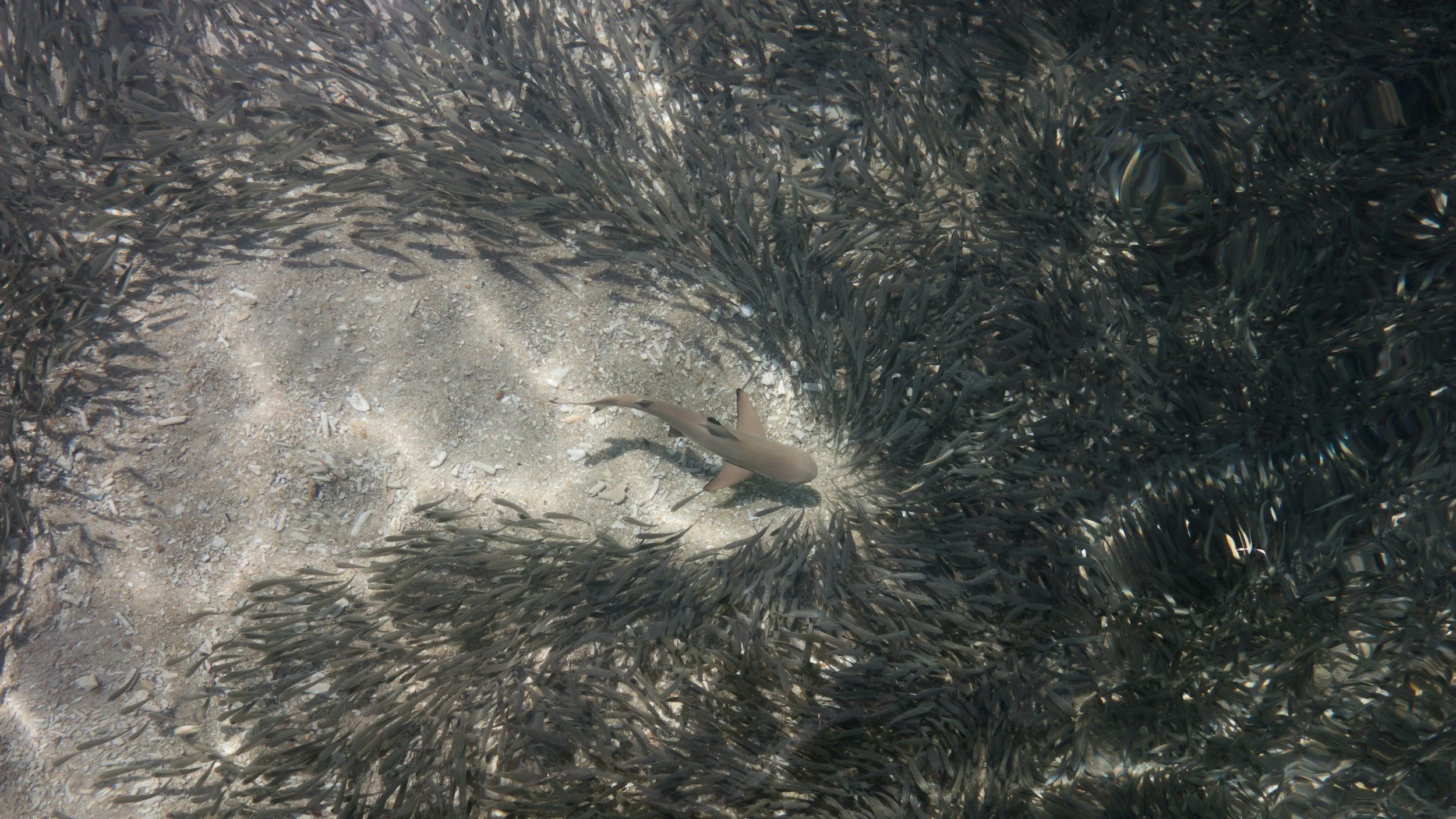
Sharks are some of the most fascinating creatures to inhabit the oceans and some of the most important to protect. Not only are they beautiful, but sharks play a crucial role in the ocean ecosystem. Sharks act as apex predators that maintain marine biodiversity by regulating prey populations and protecting vital habitats like coral reefs and seagrass meadows from overgrazing. By preserving these underwater plants, they protect "blue carbon" sinks that absorb carbon dioxide, while their own bodies lock away carbon when they naturally sink to the seafloor. According to the World Wildlife Fund, global shark and ray numbers have dropped 71% since 1970 due to overfishing and climate pressures, which threatens the stability of marine food webs worldwide. Shark conservation is vital to the health of the ocean and the planet as a whole, and we can all do our part to help protect the vulnerable shark population.
Want to learn how you can get involved in marine conservation initiatives with REEF Scuba? Visit https://www.reef-scuba.org/take-action to learn more!